Registered With PPTA (S10043)
Post-Surgical Gait Training Physiotherapy
- Drrizwanphysio
- Post-Surgical Physiotherapy
- Post-Surgical Gait Training Physiotherapy

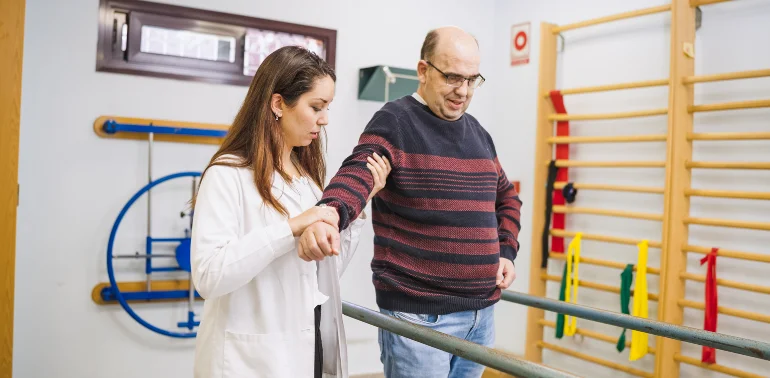
Post-Surgical Gait Training Physiotherapy in Karachi | Correct Limping and Walk Confidently After Surgery
Post-surgical gait training focuses on helping you walk normally again after surgery. Many patients develop a limp, uneven steps, or poor balance due to pain, swelling, stiffness, weakness, or fear of weight bearing—especially after knee, hip, ankle, foot, and spine surgeries. If a walking problem continues for too long, it can cause secondary pain in the back, opposite hip/knee, or foot and delay your overall recovery.
At Dr Rizwan Physiotherapy Home Service, we provide professional post-surgical gait training physiotherapy in Karachi with a structured plan to restore step symmetry, improve strength and balance, and help you return safely to walking, stairs, and daily activities.
Physiotherapy for Walking After Surgery in Karachi
Gait rehabilitation is usually progressed in phases: first focus on pain and swelling control and safe weight bearing, then restore mobility (ROM), then rebuild strength, and finally train walking mechanics, stairs, and uneven-surface control. Your program depends on your surgery type and your surgeon’s restrictions (weight-bearing rules, brace/boot use).
- Reduce limping and uneven step pattern
- Improve weight-bearing confidence and step symmetry
- Restore hip/knee/ankle mobility needed for normal walking
- Rebuild strength (glutes, quads, calves) to support gait
- Improve balance and stability to prevent falls
- Improve stair climbing and walking endurance
- Return to daily activities and work with better comfort
Common Walking Problems After Surgery
- Limping or “favoring” one leg
- Short step on the operated side
- Reduced push-off power (weak calf/foot muscles)
- Hip drop or trunk leaning to one side
- Knee not bending properly during swing phase
- Stiff ankle movement (especially toes-up motion)
- Fear of weight bearing, especially after boot/cast removal
Why You May Still Limp After Surgery
- Pain and swelling causing protective walking
- Stiffness in the joint (knee extension, ankle dorsiflexion, hip extension)
- Weak muscles (glutes, quadriceps, calf) and poor endurance
- Balance loss after immobilization
- Habit pattern: limp continues even after pain reduces
- Incorrect use of walker/crutches or progressing too fast
Our Post-Surgical Gait Training Physiotherapy Program
We assess your walking pattern, joint ROM, strength, balance, and pain triggers, then build a step-by-step plan. Treatment may include:
- Weight-bearing progression according to your restrictions
- Assistive device training (crutches/walker/cane) with correct technique
- ROM restoration (hip/knee/ankle mobility needed for normal gait)
- Strength rebuilding (glutes, quads, calves) with progressive loading
- Balance and proprioception (standing control, step stability, uneven surfaces)
- Step training (stride length, foot placement, heel-to-toe pattern)
- Stair training (safe up/down strategy, strength + control)
- Endurance plan (walk time/distance progression without flare-ups)
- Home walking program with clear weekly goals and safety rules
Gait Training After Common Surgeries (Examples)
- Knee surgery: focus on full knee straightening, quad strength, and step symmetry
- Hip surgery: focus on glute strength and preventing hip drop
- Ankle/foot surgery: focus on ankle mobility, calf strength, and push-off power
- Spine surgery: focus on posture, core endurance, and safe walking tolerance
When to Start Gait Training After Surgery
Gait training often starts early with safe standing and assisted walking, then progresses after cast/boot removal or when weight-bearing restrictions change. If you’re still limping, avoiding stairs, or your walking is not improving week-to-week, physiotherapy can help correct the pattern before it becomes a long-term habit.
- Post-Surgical Gait Training Physiotherapy in Karachi
- Limp Reduction + Step Symmetry & Weight-Bearing Confidence
- Strength + Balance Training for Safer Walking
- Stairs + Endurance Progression (Home Walking Rehab Plan)
Why Choose Dr Rizwan Physiotherapy Home Service?
- Walking-Focused Recovery: Mobility + strength + balance + gait correction.
- Personalized Plan: Based on your surgery, restrictions, and daily needs.
- Safe Progression: Clear steps to avoid flare-ups and setbacks.
- Home Service Across Karachi: DHA, Clifton, Gulshan-e-Iqbal, Gulistan-e-Johar, North Nazimabad, PECHS, and nearby areas.
What to Expect in Post-Surgical Gait Training Physiotherapy
Sessions include walking assessment (step symmetry, limp pattern), ROM testing, strength testing, balance evaluation, and correction drills. You receive a step-by-step home plan for walking and stairs with progression targets.
Session structure and duration depend on the patient’s condition and rehabilitation needs.
Book Post-Surgical Gait Training Physiotherapy in Karachi
If you are looking for post-surgical gait training physiotherapy in Karachi to correct limping, rebuild strength and balance, and return to walking confidently, Dr Rizwan Physiotherapy Home Service provides structured home rehabilitation for safer recovery.
Contact us today to schedule a physiotherapy session.
Frequently Asked Questions (FAQs)
How do I book an appointment?
Booking an appointment is simple! You can contact us through:WhatsApp: 0347-2018835 Call: 0347-2018835
How long does it take to stop limping after surgery?
It depends on swelling, stiffness, strength loss, and your surgery type. Many patients improve over weeks with structured ROM, strengthening, and gait retraining.
Why do I still limp even when pain is less?
A limp can become a habit after weeks of protective walking. Stiffness and weakness can also continue. Gait training corrects mechanics and rebuilds support muscles.
Do I need a cane or walker?
Some patients do, especially early. Using the correct device with proper technique can reduce pain, protect healing tissues, and improve walking pattern.
What exercises improve walking after surgery?
The best plan usually includes ROM (hip/knee/ankle), strengthening (glutes/quads/calf), balance drills, and step training—progressed safely.
When should I contact my surgeon urgently?
If you have severe increasing pain/swelling, wound issues (redness/discharge/fever), calf pain with breathlessness, or sudden new weakness, seek urgent medical care.

Qualified Doctors of Physical Therapy (DPTs)
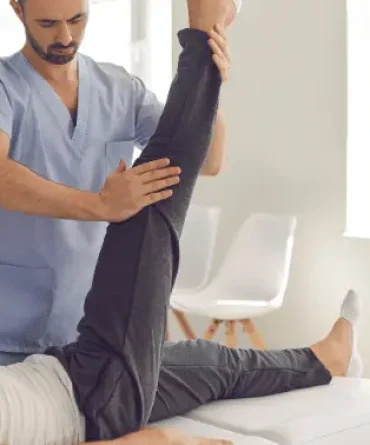
Our DPTs hold advanced degrees in physical therapy, ensuring the highest level of care based on the latest scientific research and techniques. They offer:
- In-depth assessments and diagnosis
- Evidence-based treatment plans
- Hands-on manual therapy techniques
- Personalized rehabilitation programs
Whether you need pain management, post-operative care, or chronic condition support, our DPTs are here to guide you every step of the way.
- GET APPOINTMENT TODAY
Start Up Your Health Care With Us
Experience Staff
Certified therapists with advanced techniques. Book your session via WhatsApp now!
Personalized Treatment
Contact us on WhatsApp for a personalized treatment plan tailored just for you!